Sewer Camera Inspection
Sewer camera inspection across Northern Utah. See inside your main line before you buy, sell, or dig up the yard. Booked visits run on a 3-hour window.
Schedule ServiceSewer Camera Inspection
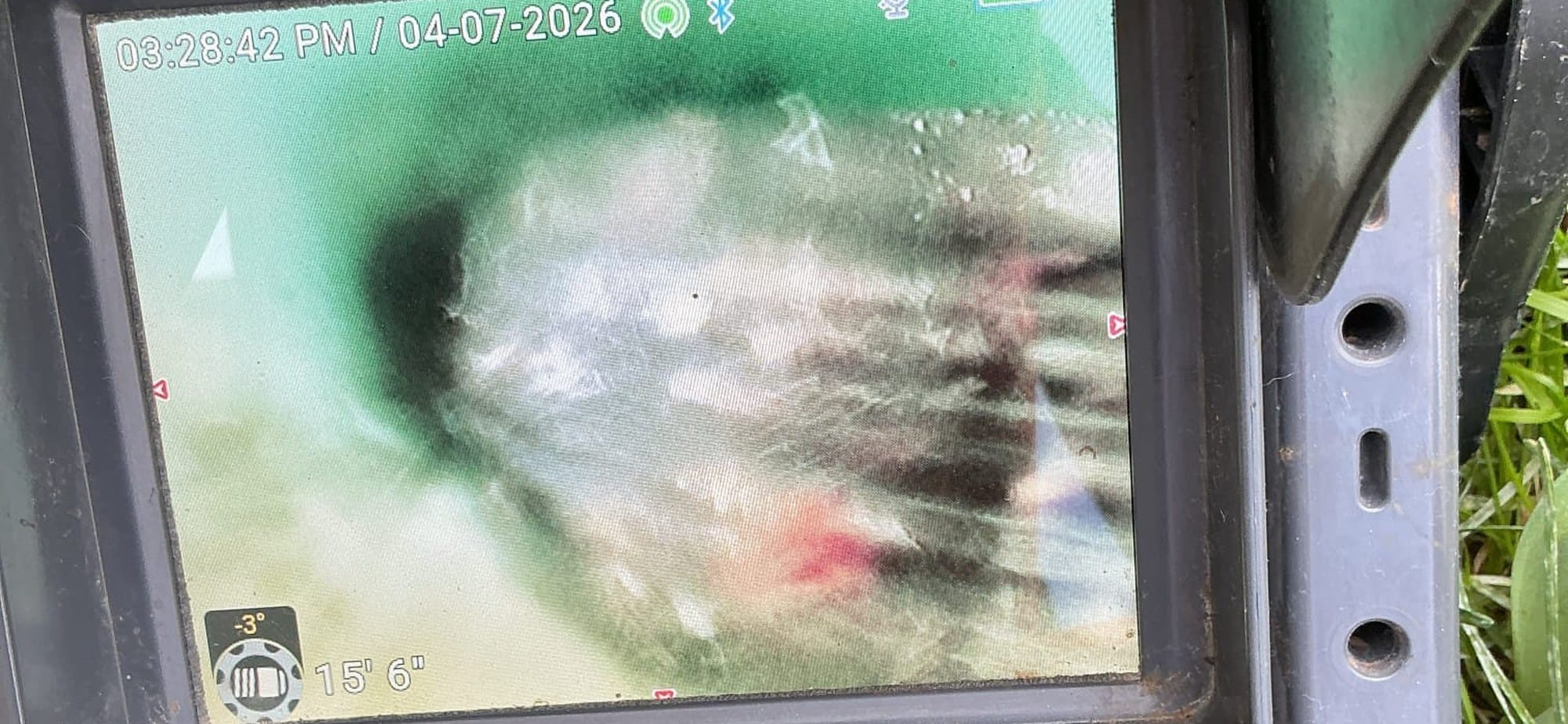
Every guess about a sewer line is expensive. Snaking the same clog three times, digging in the wrong spot, or buying a house with a collapsed lateral under the front lawn all cost far more than looking first. A camera goes down the pipe and shows you what is actually in there on a screen while you stand next to it. From June 2025 through July 2026 our techs ran 137 sewer camera inspections across Northern Utah.
- Camera work we actually did this past year
- When a camera is worth the money
- What we find in Utah sewer lines
- A camera is not a leak locator, and here is why that matters
- What the appointment looks like
Camera work we actually did this past year
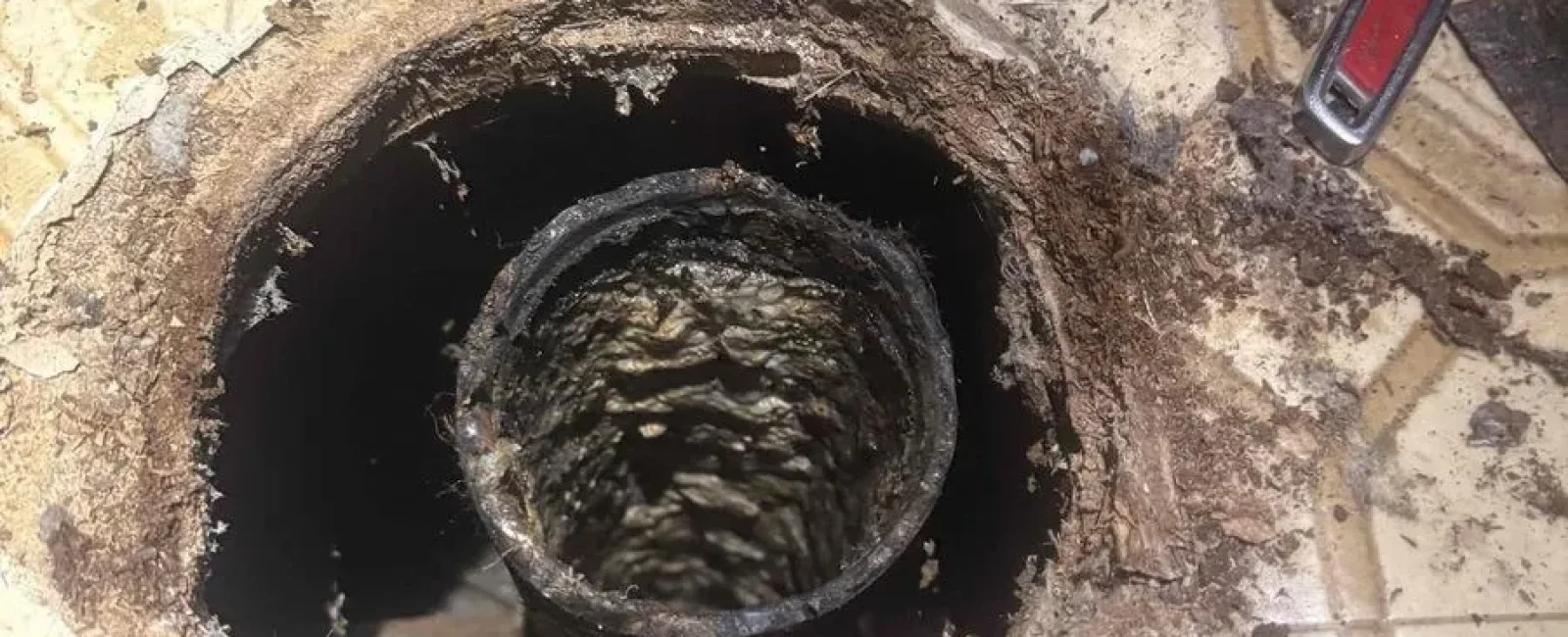
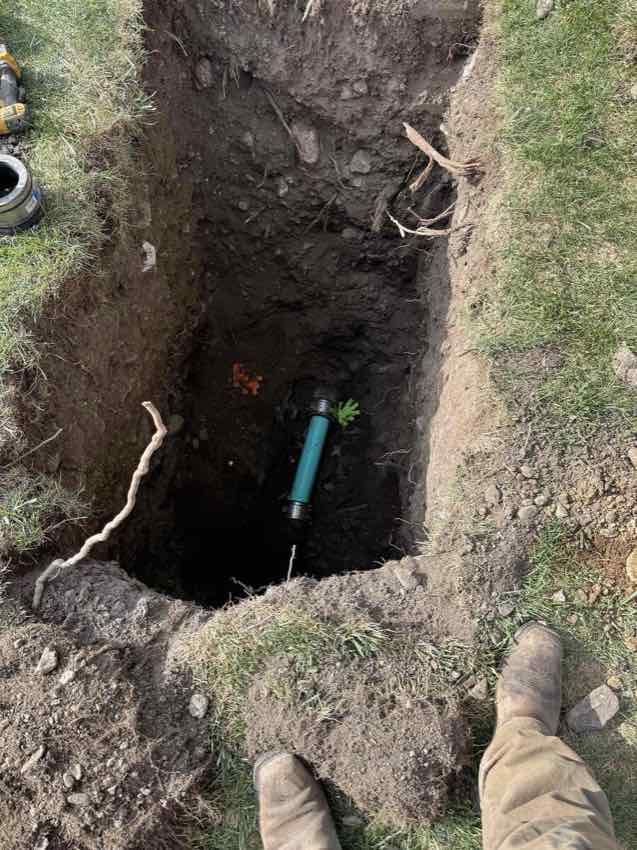
A Kaysville homeowner called about a shower that had been draining slower every year in a house past twenty years old. She had already tried a bottled drain cleaner. A plumber had already cabled the line, flooded the bathroom doing it, broken the toilet getting to it, and found roots. He did not carry a camera, so roots is where the diagnosis stopped. Roots tell you something is getting in. They do not tell you where, or how far out, or whether the pipe still has any grade left. That is the question a camera answers, and it is the reason we bring one.
When a camera is worth the money
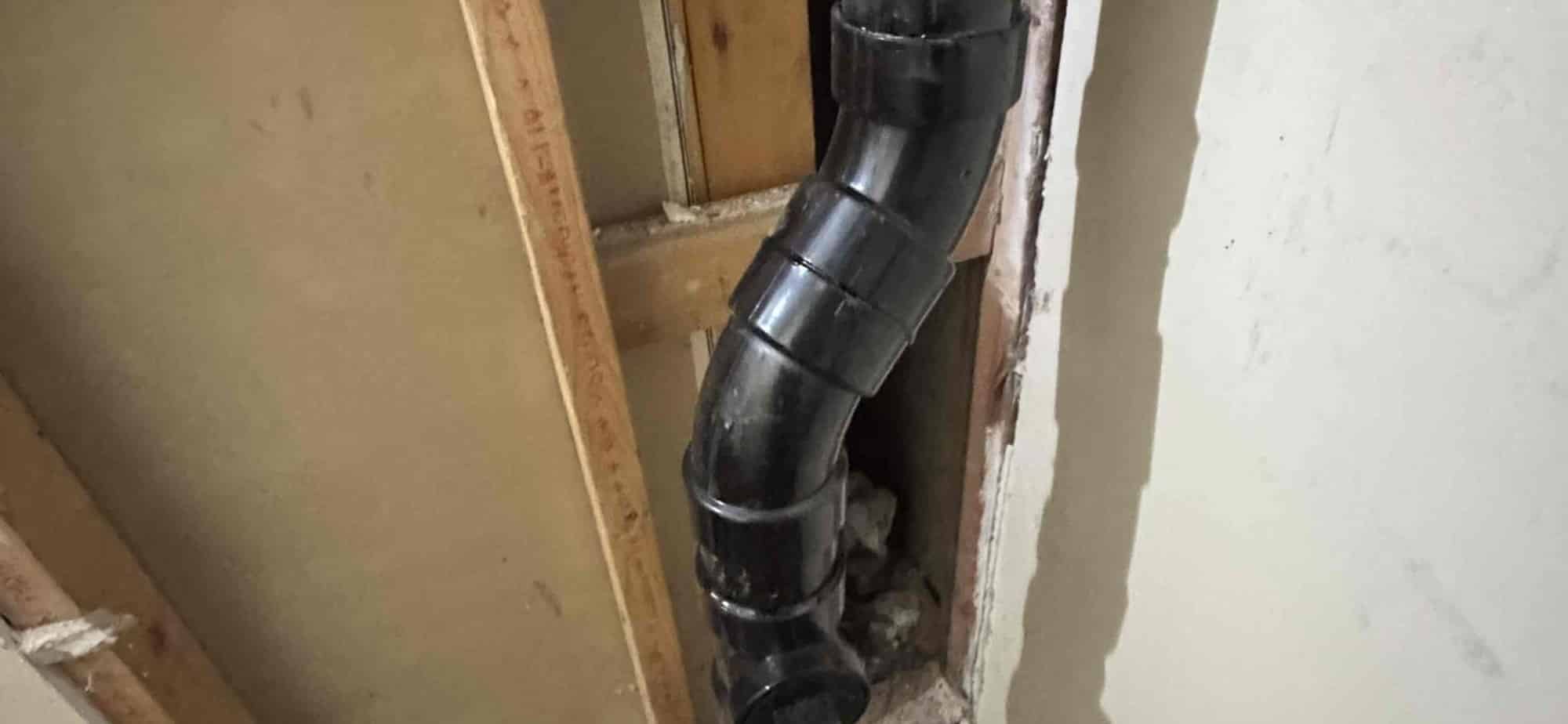
Buying a home is the big one. Court is blunt about this: a camera down the sewer costs a few hundred dollars, and a sewer liner can cost twenty thousand. He has watched a buyer discover that after closing, with no money to fix it. Nobody sells you the inspection during a bidding war, so you have to ask for it. The other times it pays: a clog that keeps coming back in the same place, because a recurring clog is usually a pipe problem rather than a clog problem. Multiple fixtures draining slow on the same day, which points at the main line and not at one drain. Water coming up through a tub or floor drain when you run something else. Gurgling from a drain in another room. Before any excavation or sewer repair, so the dig happens in the right spot. And on any home past about fifty years old, once every five years is a reasonable habit.
What we find in Utah sewer lines
Older Wasatch Front neighborhoods run clay and cast iron laterals. Clay comes in short sections with joints at every one of them, and tree roots find those joints. Cast iron gets rough inside and catches paper and grease until it does not move anymore. Then there is Orangeburg, a wartime pipe made from tar paper because metal was rationed, installed in millions of homes. Snake an Orangeburg line and you can tear it apart. That is exactly why we look before we cut anything into the pipe. We also find bellies, which are low spots where the line has settled and holds standing water, offset joints where two sections have shifted apart, grease buildup, and the occasional item nobody will admit to flushing. The camera tells us which of those you have, and roughly where along the run it sits.

A camera is not a leak locator, and here is why that matters
A camera inspection shows you the inside of a pipe you can get a camera into. That is a real and specific thing, and it is what we do. It is not the same as tracing an unknown leak through a slab or a yard with specialized equipment, and we are not going to imply otherwise. We do not do underground or slab leak location. If your problem turns out to be that, we will say so and point you to someone who does that work, rather than billing you to guess. One more honest note: a line that is completely packed cannot be seen through. If the pipe is full, we clear it with a drain cleaning or a hydrojet first, then run the camera. Anyone who promises a clean picture through a blocked line has not run many of these. And a Utah correction worth knowing: you will read online that a green, soggy patch in the yard means a sewer leak. Our lines are buried around eight feet down, below the frost line, so that sign does not translate here the way it does in warm climates. Trust the drains in your house, not the lawn.
What the appointment looks like
We arrive inside a 3-hour appointment window. The plumber finds the cleanout, feeds the camera down the line, and you watch the screen with him as he tells you what he is looking at. If the line is clean, you hear that and you are done. If there is a problem, you get what it is, roughly where it is, and a real number before anything else happens. Plenty of our camera jobs end with a plumber telling somebody they do not need the repair the last company quoted them.
Explore More Rare Breed Services:
Homes Served
Certified
Experts in System Performance
We Call It A STEPP.
Our Customers Just Call It Different.
Long before we pick up a tool, we pick up the phone. You call. We listen. Every job is measured against six standards: Accountability, Safety, Trust, Excellence, Progress, and Positivity. Here is what that looks like from your side of the door.
Accountability
We Own the Outcome.
If it is ours to do, we do it well. If it is ours to fix, we make it right. No blame, no corner-cutting, no excuses. That is how trust gets built, one job at a time.

Safety
No Shortcuts. Ever.
Safety sits at the heart of every decision we make. Every job we do keeps your family safe, your home protected, and our crew going home in one piece.

Trust
Earned by Showing Up.
It is rare to find a contractor you can trust completely, with your home, your family, and your friends. We earn it through actions, not promises, every single visit.

Excellence
Good Enough Is Never Good Enough.
We do the job right the first time, every time. The highest standard of skill and craftsmanship is the minimum standard here.

Progress & Positivity
Better Every Job. Positive at Every Door.
Complacency is the enemy of greatness, so we train, learn, and evolve every week. And we do it with optimism, turning problems into opportunities and lifting the people around us. You will feel it at the door.
The Kind of Service People Talk About.
We built Rare Breed to feel different, and it turns out, people noticed. These are their words. Their stories. What it’s like to be cared for by a team that shows up with purpose, listens with respect, and follows through with heart. The kind of experience that stays with you, long after the work is done.