Pipe Lining
Pipe lining rebuilds a failing sewer line through one access pit instead of a trench across your yard. How we run the job in Northern Utah homes.
Schedule ServicePipe Lining
The reason people dread sewer work is not the pipe. It is the yard. A traditional replacement means an open trench running from the house out to the street, roughly eight feet down, through whatever lawn, driveway or landscaping happens to be in the way. Lining does the same job through one access pit. We clean the existing pipe, pull a resin liner through it, and cure it in place so it hardens into a new seamless pipe inside the old one. If you want the full explanation of how the process works and what it can and cannot fix, we wrote that up separately in what is pipe lining. This page is about how we actually run the job.
- A cast iron line that needed prep before it could be lined
- What is actually included when we quote a liner
- Where lining is the right call
- Where we will tell you not to line it
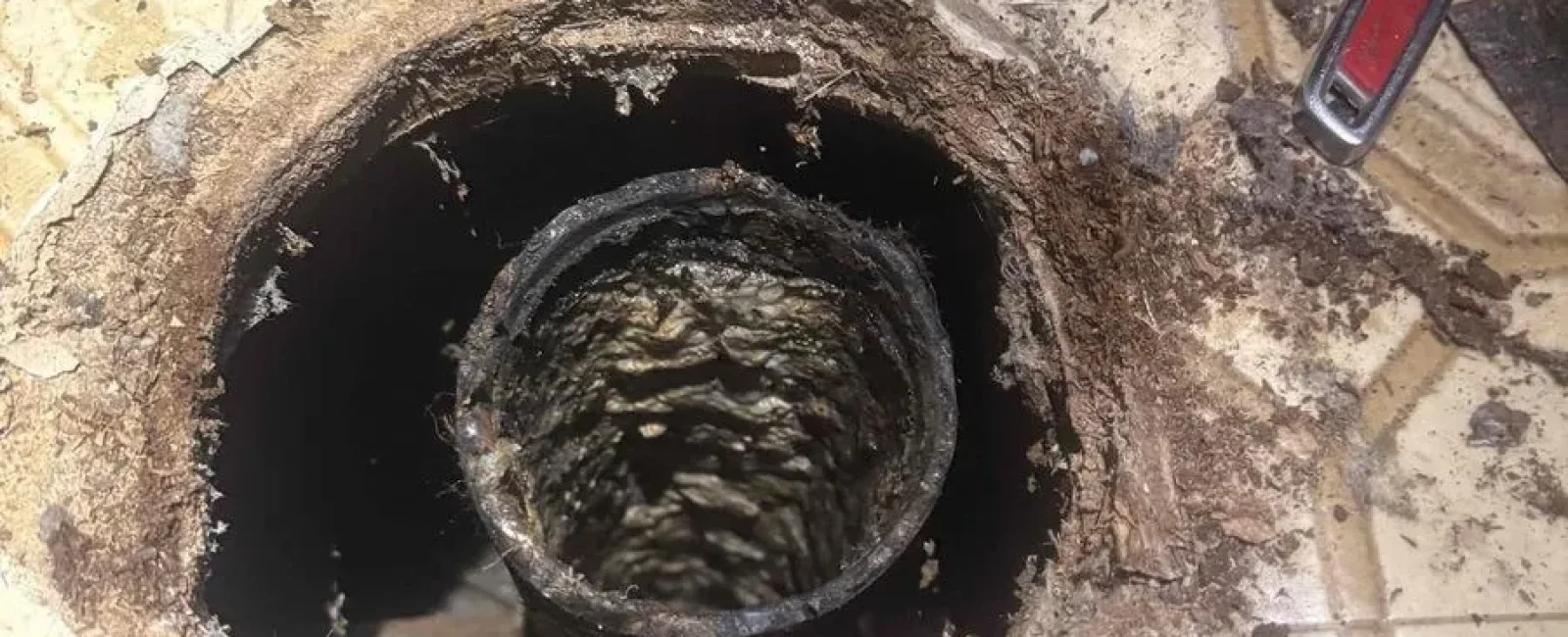
A cast iron line that needed prep before it could be lined
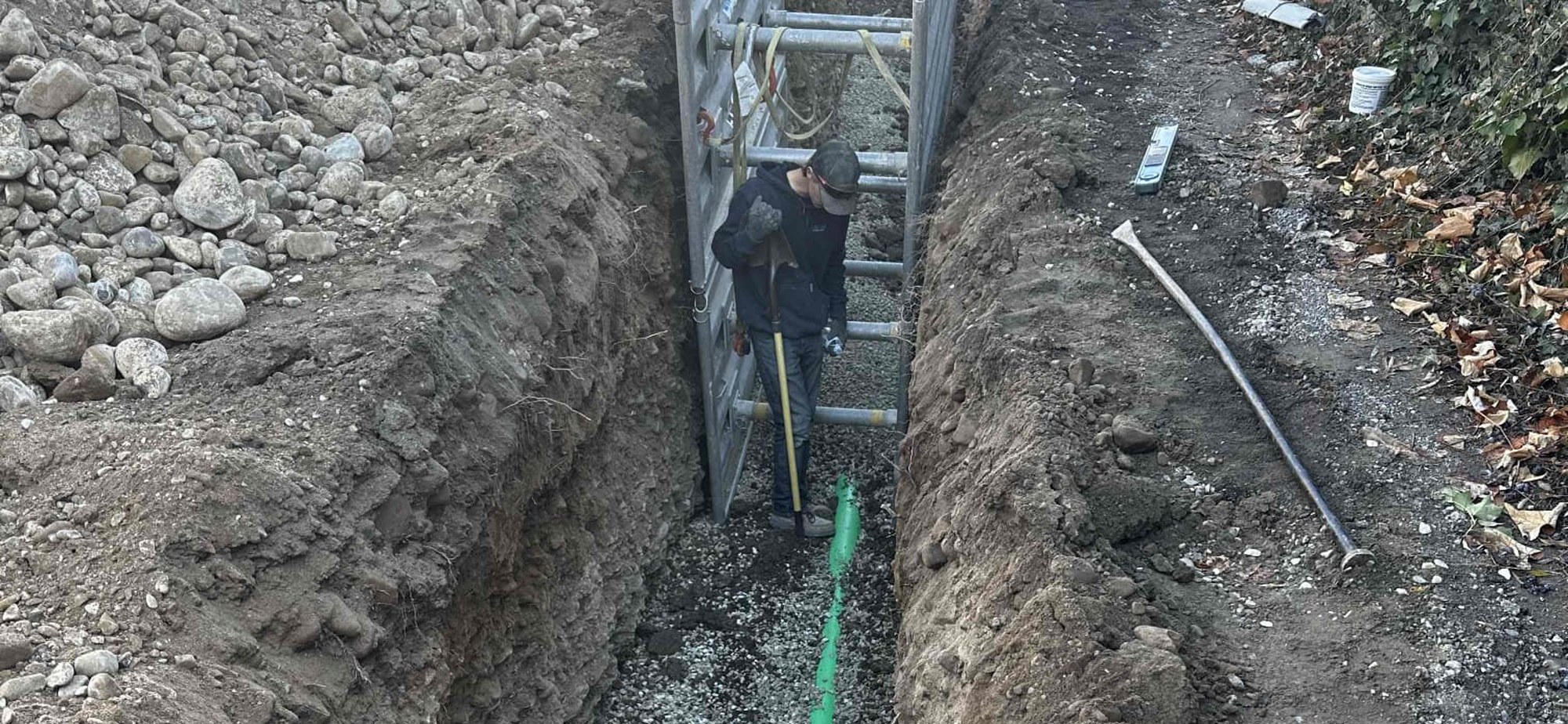
We pulled the sewer plat on a long run that left the house on the west side, which told us where the low section likely sat before we put a shovel anywhere. The pipe was cast iron and scaled up inside, so a liner would have been pulled through a rough, narrowed pipe. Prep was the whole job: we descaled the cast iron back to a smooth bore, ran the jetter through to clear the roots, and hand dug the low section rather than bringing a machine over ground that did not need it. Only then did the liner go in. Skipping that prep is how a liner ends up shaped like the problem it was supposed to fix.
What is actually included when we quote a liner
Sewer work touches the city main, so it carries requirements that a normal plumbing repair does not. Our lining quotes include parts, labor, permits, bonds, shoring and equipment, because those are not optional and we would rather they be in the number you see than in a change order later. The access pit is usually around three feet by five feet, with the excavated dirt piled on boards so it does not get ground into the lawn. We backfill after the liner is in and the inspection has passed, not before. If your sprinkler system takes damage during the dig, we repair it before we leave. Typical runs to the city main on our jobs have been anywhere from about thirty five feet to a hundred.
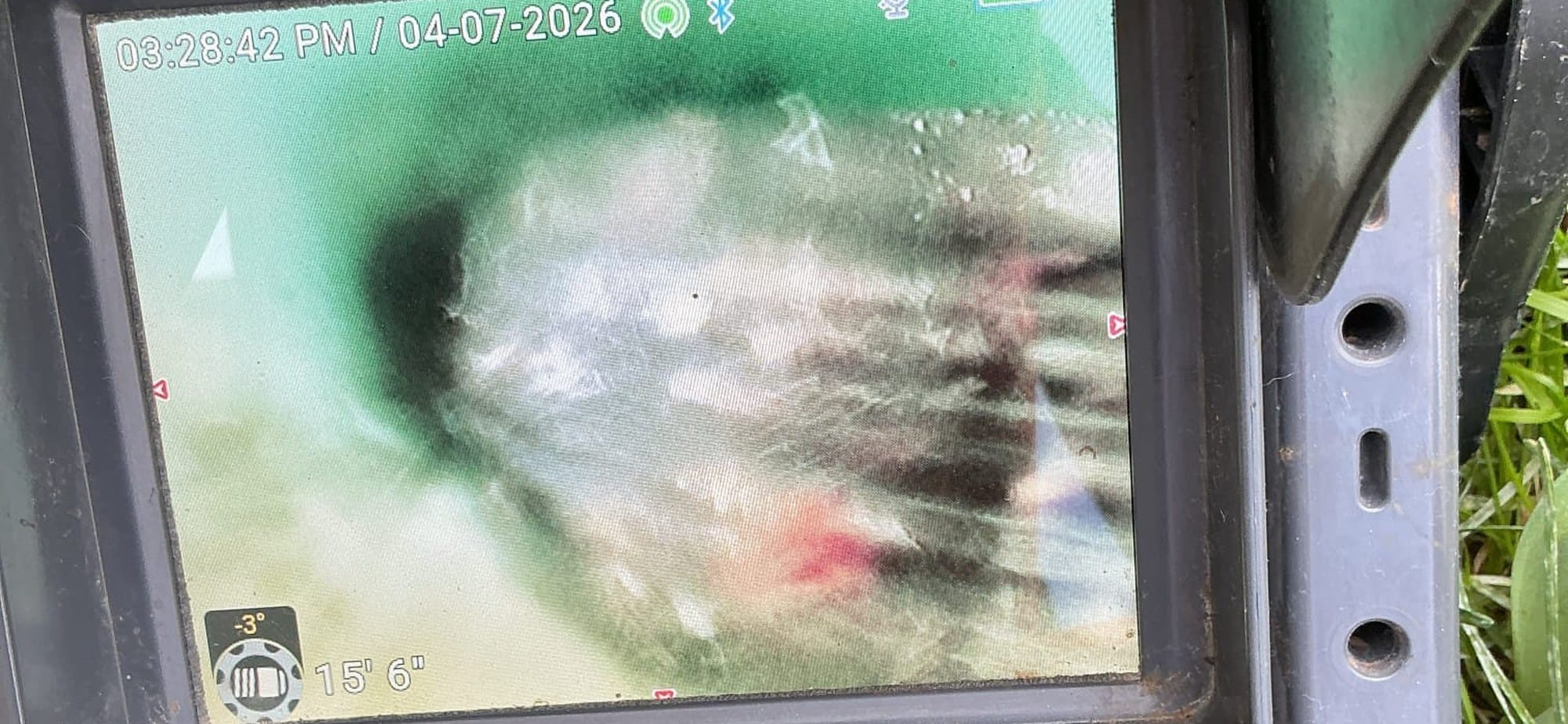
Where lining is the right call
The best case is a pipe that is structurally still there but leaking at every joint. What we see most often on the camera is roots at most of the connections with some separation between sections. A liner seals all of that at once, which is why it prevents the much larger repair rather than postponing it. It also solves a problem people do not expect: the partial replacement. We regularly camera a line, find newer pipe from the house to the sidewalk, and then original clay from the sidewalk out to the city main with roots in every joint. Nobody replaced that last stretch because it sits under the sidewalk and the park strip. Lining it is far less invasive than opening that ground up.

Where we will tell you not to line it
A liner takes the shape of the pipe it goes into. That is the whole trick, and it is also the limit. If a section has collapsed, if the pipe has lost too much of its shape, or if the line has a belly where the ground settled and it now holds standing water, a liner will faithfully reproduce that belly and you will have paid to preserve the defect. Those cases need a spot repair or a replacement, which means excavation, and we will say so rather than sell you the easier job. We do not quote a liner off a guess either. Every one of these starts with a camera inspection, and how we weigh the whole liner against dig decision is laid out on the sewer line repair page. The honest framing on cost: lining is not the cheap option, it is the less destructive one. Against a full replacement with a trench down the yard and the landscaping put back afterward, it usually wins. Against doing nothing on a line that is genuinely fine, it loses. We have talked plenty of people out of five figure sewer work because the camera showed a line that did not need it.
Explore More Rare Breed Services:
Homes Served
Certified
Experts in System Performance
We Call It A STEPP.
Our Customers Just Call It Different.
Long before we pick up a tool, we pick up the phone. You call. We listen. Every job is measured against six standards: Accountability, Safety, Trust, Excellence, Progress, and Positivity. Here is what that looks like from your side of the door.
Accountability
We Own the Outcome.
If it is ours to do, we do it well. If it is ours to fix, we make it right. No blame, no corner-cutting, no excuses. That is how trust gets built, one job at a time.

Safety
No Shortcuts. Ever.
Safety sits at the heart of every decision we make. Every job we do keeps your family safe, your home protected, and our crew going home in one piece.

Trust
Earned by Showing Up.
It is rare to find a contractor you can trust completely, with your home, your family, and your friends. We earn it through actions, not promises, every single visit.

Excellence
Good Enough Is Never Good Enough.
We do the job right the first time, every time. The highest standard of skill and craftsmanship is the minimum standard here.

Progress & Positivity
Better Every Job. Positive at Every Door.
Complacency is the enemy of greatness, so we train, learn, and evolve every week. And we do it with optimism, turning problems into opportunities and lifting the people around us. You will feel it at the door.
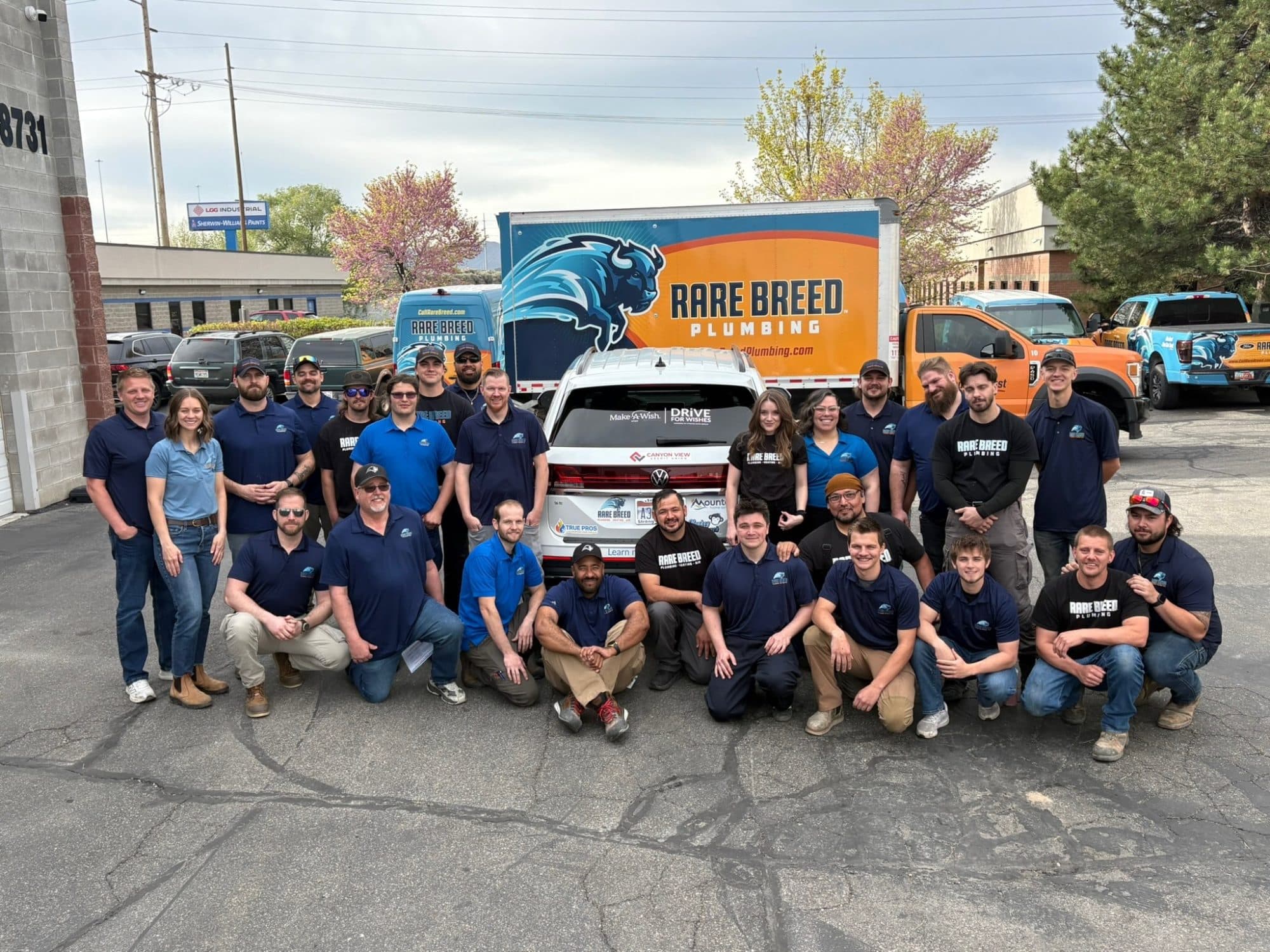
The Kind of Service People Talk About.
We built Rare Breed to feel different, and it turns out, people noticed. These are their words. Their stories. What it’s like to be cared for by a team that shows up with purpose, listens with respect, and follows through with heart. The kind of experience that stays with you, long after the work is done.